



New York is expanding its limited space by building on top of existing skyscrapers, such as One Wall Street. This iconic building, originally an office space, has been transformed into apartments with six additional floors added on top. However, adding floors to a skyscraper comes with challenges, especially considering the weight and structural limits of older buildings.
To convert One Wall Street, engineers carefully upgraded the structure. Using voided concrete slabs filled with plastic bubbles reduced the overall weight by a third. This method avoided the need for heavy steel beams and allowed for easier construction on top of the building. It also involved relocating elevators and adding new windows to meet residential needs.
The project, which began in 2014, took nearly a decade to complete. The conversion resulted in 566 apartments and included the restoration of the building’s famous Art Deco features, such as the Red Room’s mosaics, which were meticulously cleaned. The renovation shows how New York’s aging office buildings are being adapted for modern housing demands.
As office space demand declines and housing needs rise, this approach might become more common in the city, potentially transforming more skyscrapers into residential spaces. One Wall Street is a prime example of this trend, which could shape the future of urban living in New York.
Check the video here: https://bit.ly/4fi6DYs

Agritech has the potential to increase food production by 70% using advanced technologies like AI and robotics.
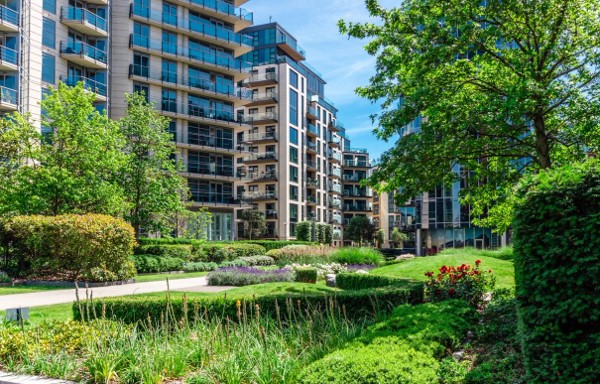
ESG Report Highlighting Standards, Certifications, Global Reach, Evolution, Challenges, and Best Practices Examples in Sustainability[
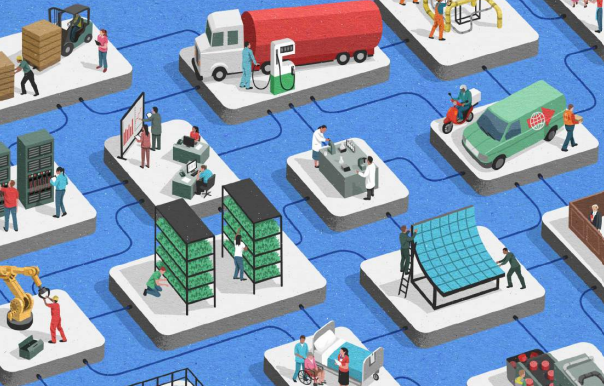
In the global labor market technology adoption remains a key driver of business transformation, while environmental, technology, and economic trends impact job creation. Upskilling, diversity, equity, and inclusion initiatives are crucial for bridging talent gaps and promoting inclusive growth.
Barcelona Office
Antoni Bell 2, 4th Floor – C
Sant Cugat del Vallès 08174
+34 93 280 7084
Madrid Office
Alfonso XII 62, 2nd Floor
Madrid 28014
+34 91 048 8455
To stay up to date on the latest trends and key information in our sectors, follow us


Accessibility Tools