


Converting unused church property into housing seems like an ideal solution to two major challenges: the housing crisis and a surplus of empty religious buildings. Arlington Presbyterian Church exemplifies this possibility, as it replaced its underused structure with Gilliam Place, a 173-unit affordable housing development. However, this success required a decade of work, $71 million in funding from 14 sources, and overcoming zoning hurdles. Despite the growing momentum for similar projects, significant barriers remain.
Many religious institutions, which own millions of acres nationwide, struggle to redevelop their land due to zoning restrictions, financing complexities, and the architectural challenges of old buildings. Churches often hope to simultaneously build affordable housing, generate revenue, and maintain worship space, yet achieving even one of these goals can be difficult. Some congregations face resistance from their own members or communities, while others must navigate bureaucratic delays that stretch projects far beyond initial timelines.
The issue has gained attention, with state and federal initiatives aimed at streamlining housing projects on church-owned land. California, for instance, identified 47,000 acres of potentially developable land held by faith-based organizations. Nationwide, a dramatic rise in church closures—up to 100,000 in the coming decades—presents opportunities for redevelopment, particularly in urban areas where housing demand is high. However, historic structures often require expensive retrofitting, limiting their viability for affordable housing.
To unlock this potential, churches must consider creative alternatives, such as childcare centers, business incubators, or healthcare clinics, alongside housing. Collaborative efforts and specialized expertise are essential to overcome challenges and help faith organizations repurpose their real estate to meet community needs.
Check the full article here: https://bit.ly/3BfxC8V
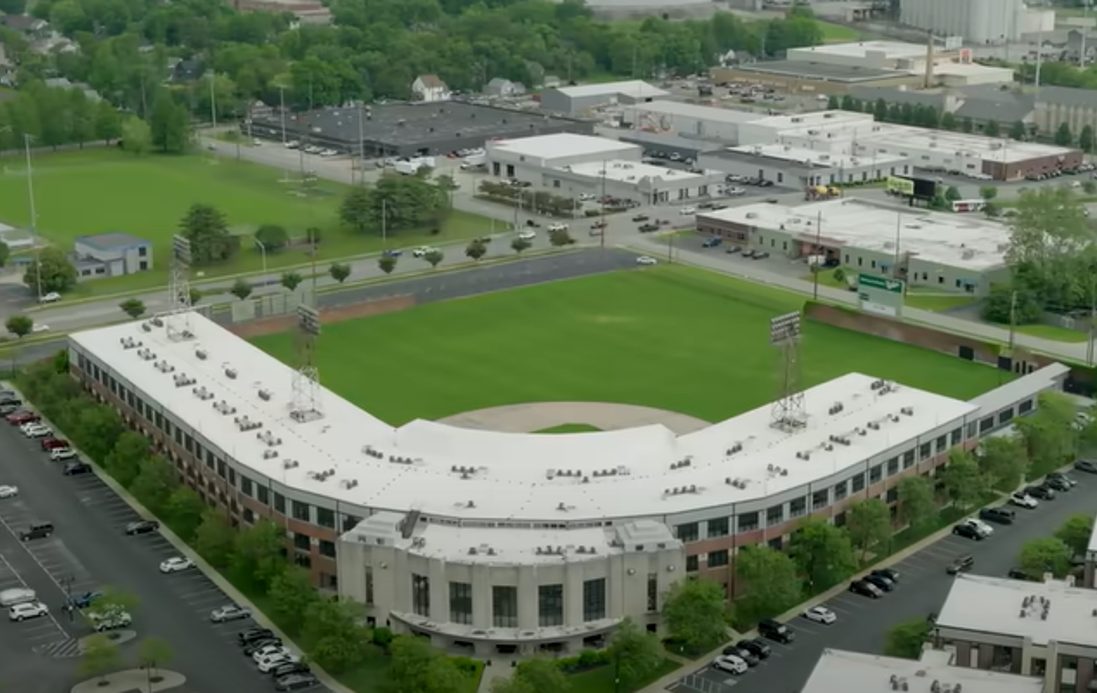
A $1 baseball stadium is turned into luxury apartments with a $14 million investment.
Barcelona Office
Antoni Bell 2, 4th Floor – C
Sant Cugat del Vallès 08174
+34 93 280 7084
Madrid Office
Alfonso XII 62, 2nd Floor
Madrid 28014
+34 91 048 8455
To stay up to date on the latest trends and key information in our sectors, follow us


Accessibility Tools