


Inside an advanced wind tunnel facility, we learn about the crucial role wind tunnels play in designing the world’s tallest skyscrapers. While these tunnels are often associated with testing vehicles like airplanes or race cars, they are also essential for skyscraper engineering, ensuring these structures withstand high winds. RWDI, a leader in wind engineering, has helped develop iconic towers, including the Burj Khalifa, Petronas Towers, and Shanghai Tower.
Wind tunnels enable architects and engineers to test building models under various wind conditions, gathering data on how a structure will respond to high winds before construction begins. This testing is vital not only for safety but also for sustainability and cost-saving. Optimizing designs through these tests can reduce a building’s carbon footprint by up to 30% by minimizing the materials required.
The process involves placing scale models of buildings like The Shard on turntables inside the tunnel, where controlled wind forces simulate real-world conditions. Sensors in the models collect data that influence final design decisions, ensuring safety and enhancing durability. Testing includes the effect of new skyscrapers on the surrounding environment, an essential factor in crowded cities like London, where multiple high-rise buildings interact to create unique wind patterns.
The wind tunnel process reveals the unseen work behind skyscraper design, highlighting the engineering advancements that make modern cities possible.
Check the video here: https://bit.ly/3YD9GnD
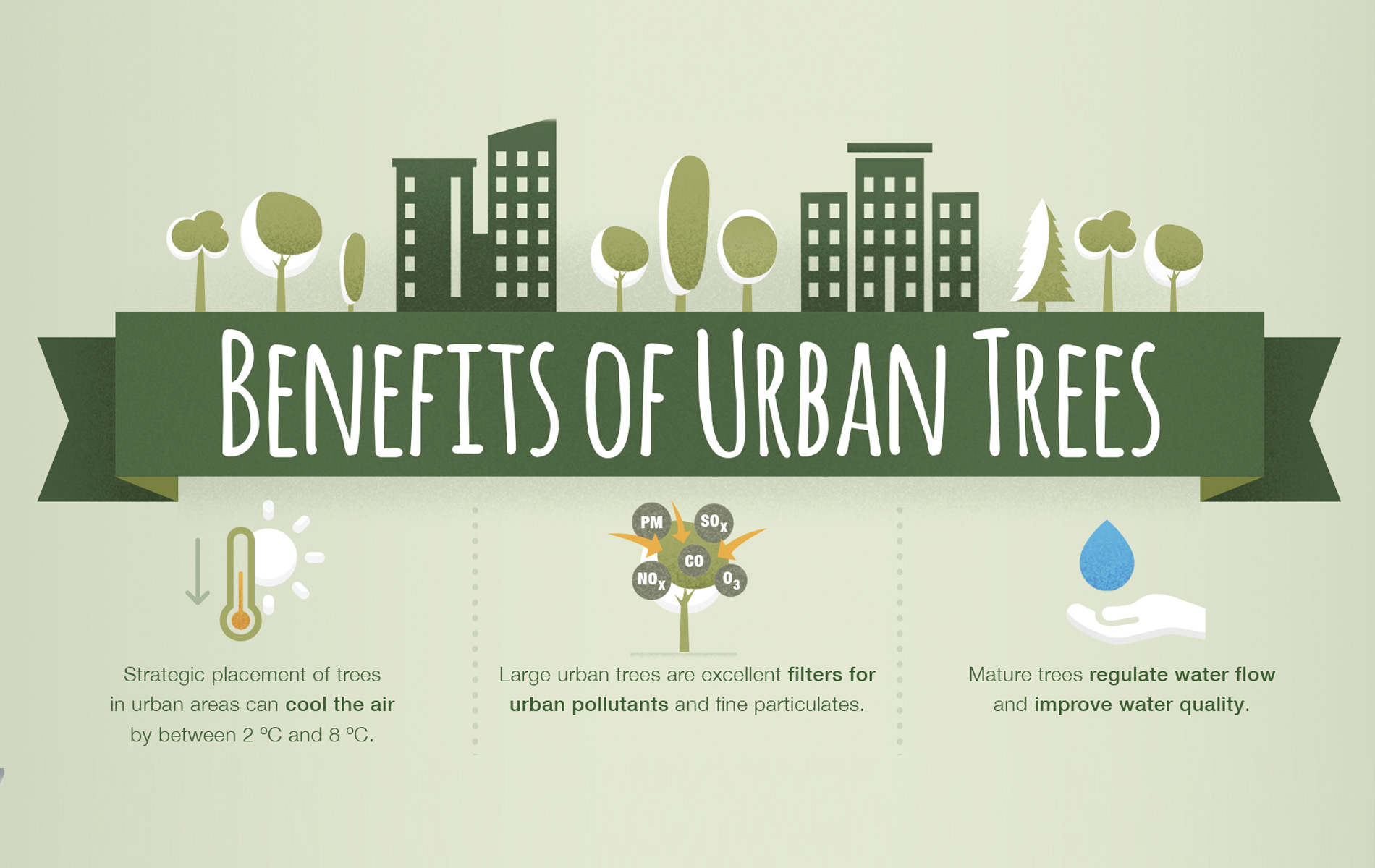
Urban trees and their importance in mitigating climate change, improving health and fostering sustainable and inclusive cities.

The European project drives emission reductions in construction through decarbonization strategies, promoting innovations and aligning policies with the Green Deal. It highlights multi-sector collaboration and the need for consistent data to achieve climate neutrality.
Barcelona Office
Antoni Bell 2, 4th Floor – C
Sant Cugat del Vallès 08174
+34 93 280 7084
Madrid Office
Alfonso XII 62, 2nd Floor
Madrid 28014
+34 91 048 8455
To stay up to date on the latest trends and key information in our sectors, follow us


Accessibility Tools