



#Innovation
The EU Blue Economy Report 2025 shows how Europe’s ocean-based industries continue to grow in a changing global environment. Many sectors have strengthened their contribution despite geopolitical tensions, rapid technological advances and increasing climate impacts. As a result, the Blue Economy remains a key pillar for Europe’s competitiveness and long-term stability.
In 2022, Blue Economy sectors generated EUR 250.7 billion in gross value added and supported 4.82 million jobs. Coastal tourism was the largest contributor, representing more than half of all employment. In addition, maritime transport, shipbuilding and marine living resources maintained stable growth after previous disruptions. These activities continue to play an essential role in the economic resilience of many EU regions.
Marine renewable energy expanded at an impressive rate. Offshore wind capacity reached 18.9 GW across 11 Member States. This growth reinforces Europe’s position as a global leader in clean maritime energy. Moreover, new technologies such as wave, tidal and floating photovoltaic systems are accelerating the shift toward more sustainable energy models. They also reduce exposure to volatile fossil-fuel markets.
Fisheries, aquaculture and seafood processing adapted to rising costs and changing market conditions. However, seafood demand remained strong across the EU. Imports still play an important role, reflecting a self-sufficiency level of 37.5%. Meanwhile, blue biotechnology gained momentum. It offers innovations in pharmaceuticals, biomaterials, specialised food ingredients and environmental applications.
Climate resilience has become a central concern for coastal territories. Rising sea levels increase the risk of flooding and erosion. Because of this, nature-based solutions are gaining importance. Wetland restoration, seagrass recovery and seaweed cultivation provide effective protection and deliver ecological benefits. Their cost-benefit ratio is particularly favourable, making them a strategic tool for long-term adaptation.
Together, these developments show how the Blue Economy can support Europe’s transition toward a more sustainable, competitive and climate-resilient future. Check the full report for more details: https://op.europa.eu/es/publication-detail/-/publication/0a4a79d8-353f-11f0-8a44-01aa75ed71a1

Travel in 2025 focuses on sustainability, innovation, and meaningful exploration, driven by changing consumer priorities and advances in technology.
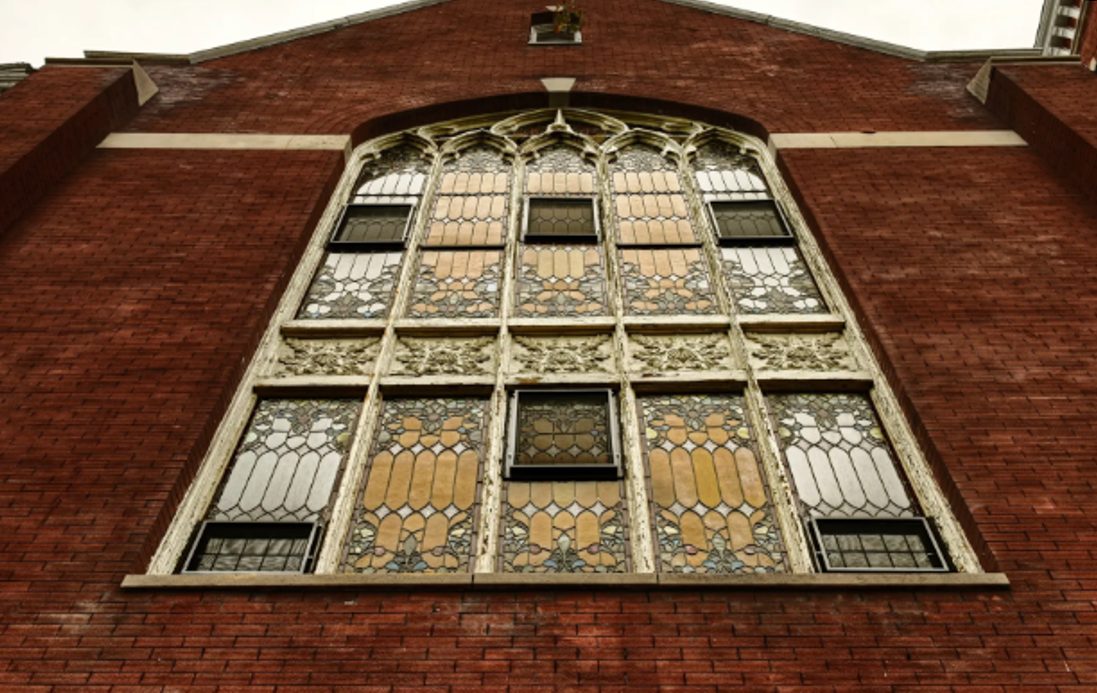
Repurposing church properties into affordable housing addresses critical needs, yet zoning laws, financing difficulties, and costly renovations make these projects complex.

The economy and society must adapt to an aging population, reforming pension systems, the workplace, and promoting financial resilience to ensure a sustainable transition in response to these demographic challenges.
Barcelona Office
Antoni Bell 2, 4th Floor – C
Sant Cugat del Vallès 08174
+34 93 280 7084
Madrid Office
Alfonso XII 62, 2nd Floor
Madrid 28014
+34 91 048 8455
To stay up to date on the latest trends and key information in our sectors, follow us


Accessibility Tools