



Traditional senior living models no longer meet the dynamic needs of a growing older population. Between 2015 and 2030, adults over 60 will drive more than half of urban consumption growth in developed countries. Yet infrastructure often fails to support this demographic, limiting inclusion, flexibility, and experiential design. It highlights four paradigm shifts necessary to create vibrant, sustainable communities for older adults.
The first shift, from legacy to longevity, challenges stereotypes about aging. Older adults are healthier, more active, and seeking new experiences beyond traditional retirement. Design must embrace this diversity, supporting lifelong education, flexible work, and evolving lifestyles. The second shift, from functional to experiential, calls for dynamic, multi-use spaces. Amenities like parks, retail, and cultural hubs create meaningful experiences that foster social interaction, well-being, and community participation.
The third shift, from isolation to participation, prioritizes holistic wellness through integrated healthcare, digital tools, and proximity to nature. Decentralized care models enable older adults to maintain autonomy and access services tailored to their needs. Lastly, the shift from fixed to flex emphasizes adaptable, sustainable infrastructure that integrates senior living into wider, intergenerational communities. Partnerships with local services and businesses enhance affordability and inclusivity while ensuring long-term resilience.
This approach reimagines senior living as a catalyst for intergenerational engagement, economic equity, and social sustainability. By prioritizing flexibility, accessibility, and experiential design, providers can build environments where people of all ages thrive.
Check the full document here: https://bit.ly/46k8JUA
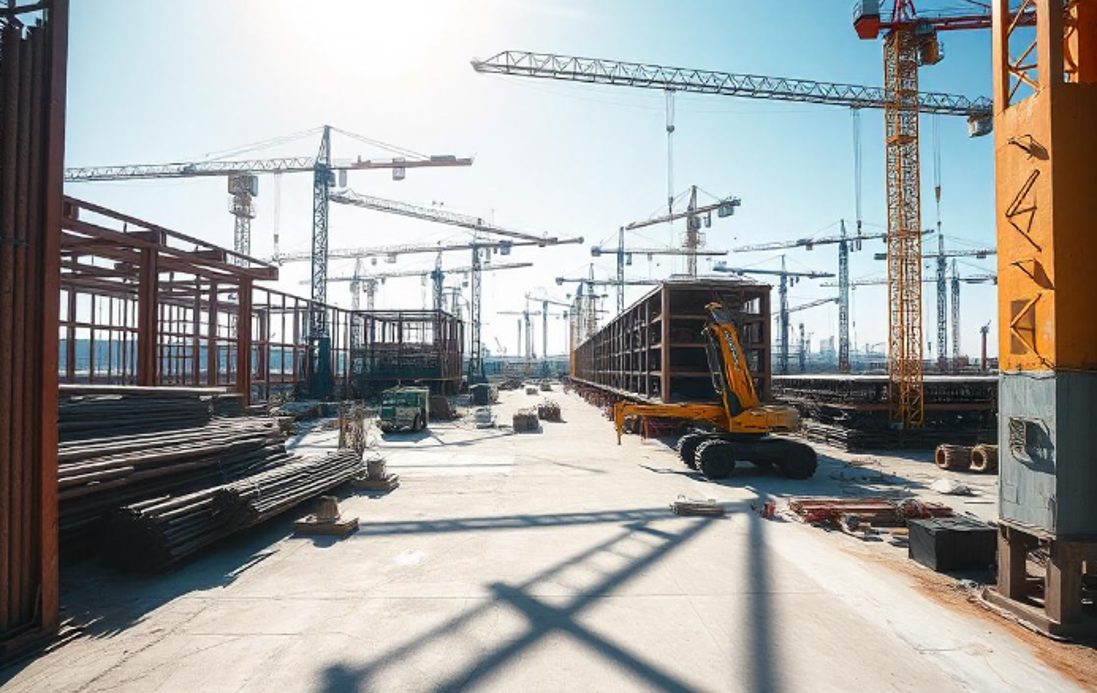
Book and claim systems could help decarbonize steel and concrete by enabling flexible investments in low-carbon production.
Barcelona Office
Antoni Bell 2, 4th Floor – C
Sant Cugat del Vallès 08174
+34 93 280 7084
Madrid Office
Alfonso XII 62, 2nd Floor
Madrid 28014
+34 91 048 8455
To stay up to date on the latest trends and key information in our sectors, follow us


Accessibility Tools