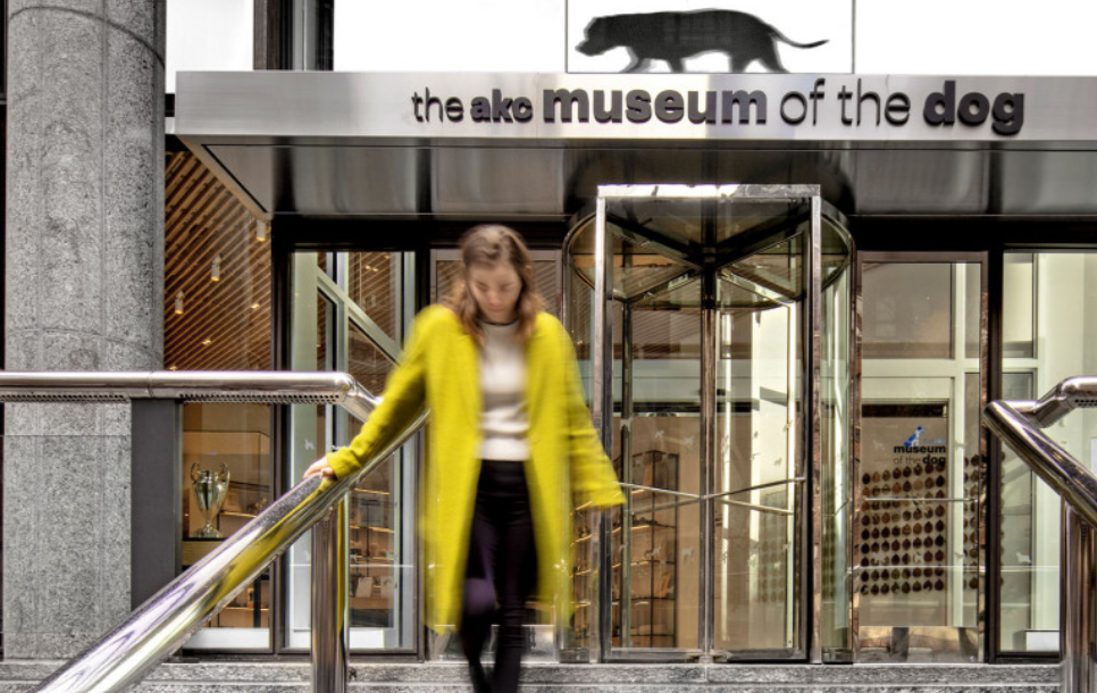



The COVID-19 pandemic has exposed and exacerbated weaknesses in various community infrastructure systems in the U.S., such as health, education, and emergency response. This 2022 TrendsWatch report argues that museums are vital components of community infrastructure. They contribute significantly to five pillars: children’s education, livable communities for the elderly, mental health, emergency response, and cultural sustainability.
Museums not only preserve and present art, science, and history, but they also support self-directed education, promote mental health, and act as refuge centers in disaster situations. During the pandemic, many museums adapted their facilities to support online learning and offered virtual programs to keep communities connected and active. The report also highlights the role of museums in providing a sense of belonging and supporting social and emotional well-being.
It is crucial for museums to continue innovating and measuring their community impact to ensure ongoing support from legislators and funders. This will help strengthen their role as essential infrastructure, ensuring they are better equipped to face future crises and continue contributing to the well-being of their communities.
Here is the link to view the document: https://bit.ly/4dl086b
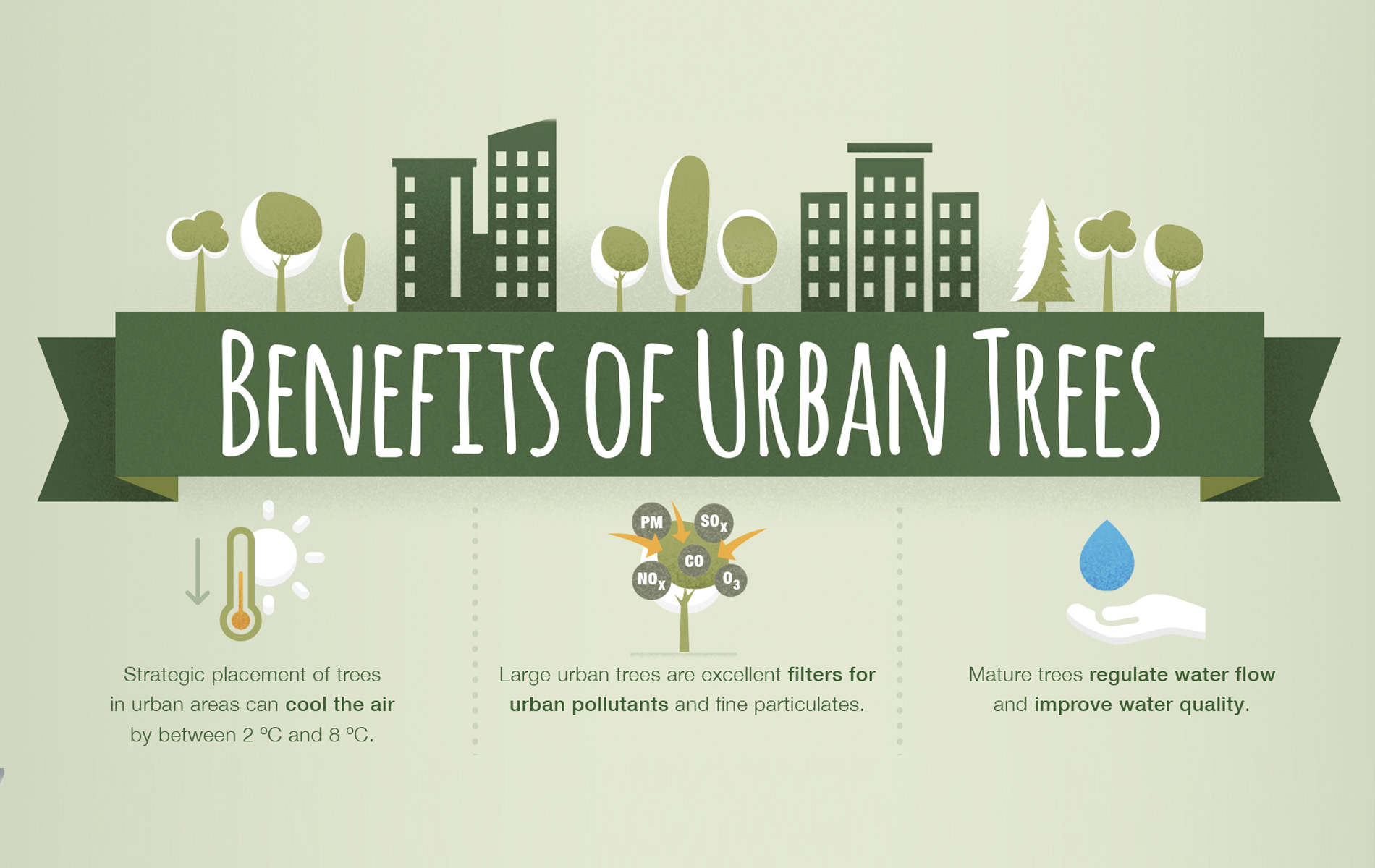
Urban trees and their importance in mitigating climate change, improving health and fostering sustainable and inclusive cities.
Barcelona Office
Antoni Bell 2, 4th Floor – C
Sant Cugat del Vallès 08174
+34 93 280 7084
Madrid Office
Alfonso XII 62, 2nd Floor
Madrid 28014
+34 91 048 8455
To stay up to date on the latest trends and key information in our sectors, follow us


Accessibility Tools