Urban areas worldwide struggle with flooding due to impermeable surfaces like concrete that prevent rainwater from seeping into the ground. This leads to overwhelmed drainage systems and costly flood damage. Traditional “gray infrastructure” solutions, like gutters and drainage tunnels, are insufficient against increasing extreme weather events exacerbated by climate change. By 2050, as urban populations nearly double, the need for effective flood management solutions becomes even more urgent.
Sponge cities, inspired by nature, present a promising alternative. Developed by architect Professor Kongjian Yu, sponge cities use green infrastructure—such as porous pavements, green roofs, and wetlands—to absorb, clean, and store rainwater. This approach can handle up to four times more rainwater than traditional cities and reduce flooding by 50%. Notably, sponge cities also improve urban life, increasing biodiversity, cooling down cities, and enhancing mental well-being with more green spaces. Cities in China, like Zhengzhou, have already begun sponge city projects, aiming to reuse 70% of urban rainfall by 2030. Other regions, like East Berlin, the U.S., and Indonesia, are exploring similar initiatives.
However, creating sponge cities requires significant commitment and investment. China’s sponge city plan will cost around $1 trillion, necessitating multi-level government coordination and sustained funding. For instance, Zhengzhou’s incomplete sponge infrastructure was unable to handle a severe storm in 2021, highlighting the need for full-scale implementation. While costly, sponge cities are a proactive measure against future flood expenses and losses, showing that nature-based solutions are both practical and visionary.
By adapting urban planning to mimic natural water cycles, sponge cities offer a sustainable way to enhance resilience against climate change impacts. As climate challenges grow, cities worldwide may find it beneficial to adopt this green infrastructure model.
Check the video here: https://bit.ly/4ferRa0
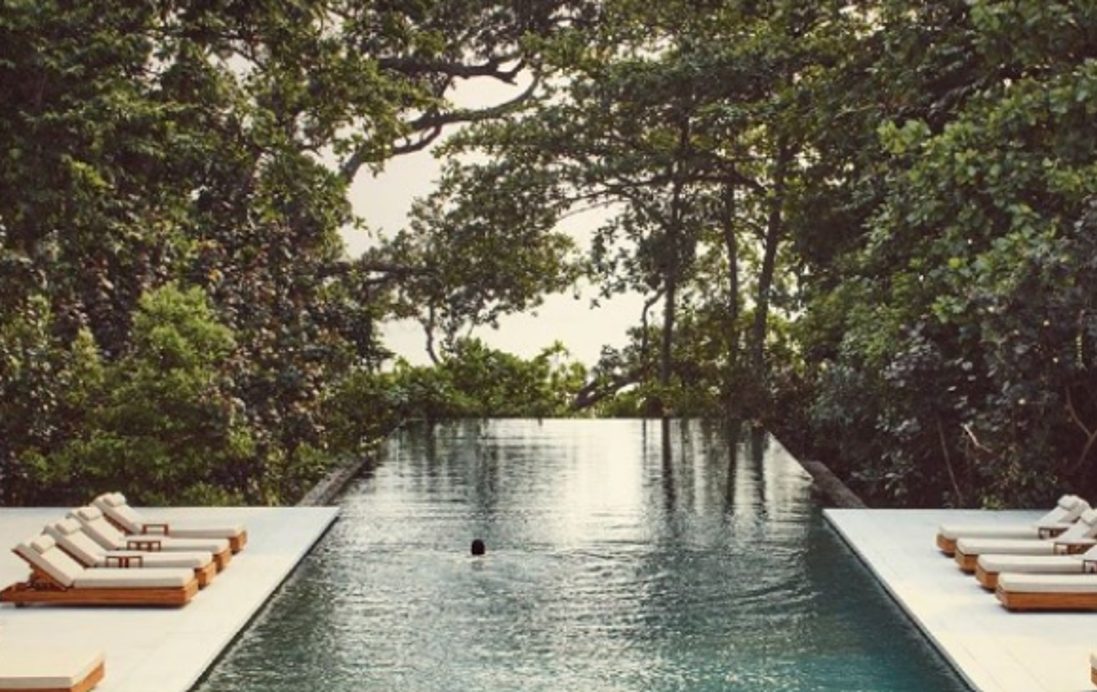
Luxury resorts emphasize wellness, sustainability, and personalized, culturally immersive guest experiences.
Barcelona Office
Antoni Bell 2, 4th Floor – C
Sant Cugat del Vallès 08174
+34 93 280 7084
Madrid Office
Alfonso XII 62, 2nd Floor
Madrid 28014
+34 91 048 8455
To stay up to date on the latest trends and key information in our sectors, follow us


Accessibility Tools