



1. Measure carbon footprint to set goals.
2. Set net-zero carbon target by 2050 with 50% reduction by 2030.
3. Record embodied carbon in new developments.
4. Minimize emissions in new developments to achieve net-zero by target year.
5. Optimize energy use in existing and new buildings.
6. Use as much on-site renewable energy as possible.
7. Only procure off-site energy from renewable sources.
8. Work with partners to reduce Scope 3 emissions.
9. Use carbon offsets for residual emissions.
10. Collaborate with stakeholders to share costs and benefits of reducing emissions.
Check the report here: bit.ly/3GN35im

In an ever-changing global business landscape, investors are in search of secure havens that offer stability, growth, and attractive returns. Spain emerges as a shining beacon of opportunity, boasting a vast consumer market, strategic geographical positioning, and a dynamic workforce.

Google’s St. John’s Terminal office blends historic architecture with modular design and nature, promoting flexibility.
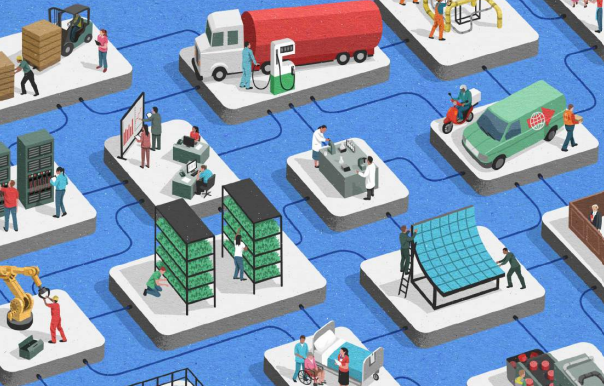
In the global labor market technology adoption remains a key driver of business transformation, while environmental, technology, and economic trends impact job creation. Upskilling, diversity, equity, and inclusion initiatives are crucial for bridging talent gaps and promoting inclusive growth.
Barcelona Office
Antoni Bell 2, 4th Floor – C
Sant Cugat del Vallès 08174
+34 93 280 7084
Madrid Office
Alfonso XII 62, 2nd Floor
Madrid 28014
+34 91 048 8455
To stay up to date on the latest trends and key information in our sectors, follow us


Accessibility Tools