



The commercial real estate (CRE) sector is facing unprecedented challenges due to rising insurance costs. Factors such as increasing natural catastrophes, inflation, and regulatory pressures have led insurers to raise premiums, restrict coverage, and introduce stricter underwriting protocols. This shift is making it harder for property owners to find adequate insurance, affecting transactions and property valuations.
Investors are responding by adopting new strategies, such as seeking coverage from multiple insurers and using self-insurance or captives. These alternative risk-financing solutions help manage rising costs, but they require more complex and tailored approaches. In some cases, owners are absorbing more risk to meet lender requirements while ensuring profitable investment returns.
The insurance market’s evolution has also impacted investment decisions. While properties in high-risk areas are still attracting attention, investors are now focusing more on asset resilience and vulnerability to climate-related risks. They are carefully evaluating insurance trends, especially in the residential sector, where homeowners’ insurance availability and cost could influence future real estate demand.
Looking ahead, trends such as the growing protection gap, the rise of parametric insurance, and potential changes in migration patterns due to climate risks are expected to reshape the insurance and real estate sectors. These challenges require innovative strategies for both property management and investment.
Check the full document here: https://bit.ly/3AeomRQ

Family offices replace Excel with advanced tools for improved efficiency, security, and data management.
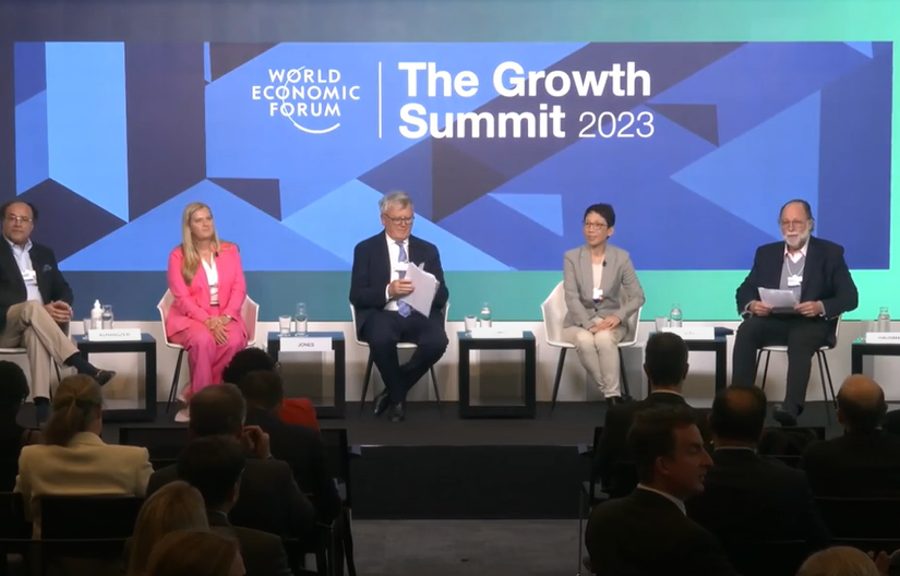
Workforce skills drive economic growth, but global challenges like shortages persist. Singapore’s model and the EU’s funding aim to address issues, emphasizing trust in reskilling.
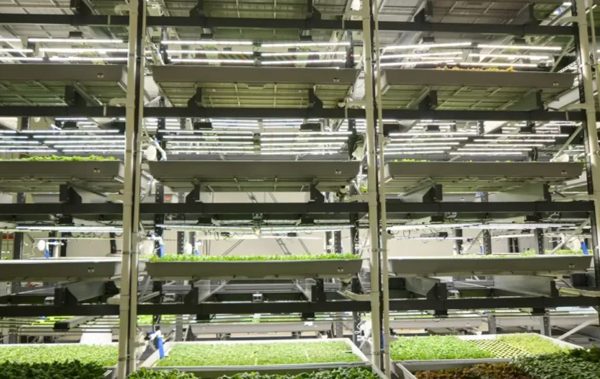
Explore the revolution of vertical farming, cultivating layer by layer indoors. Beyond food production, it transforms urban warehouses into thriving, sustainable agricultural centers, providing access to healthy foods and a significant real estate opportunity.
Barcelona Office
Antoni Bell 2, 4th Floor – C
Sant Cugat del Vallès 08174
+34 93 280 7084
Madrid Office
Alfonso XII 62, 2nd Floor
Madrid 28014
+34 91 048 8455
To stay up to date on the latest trends and key information in our sectors, follow us


Accessibility Tools