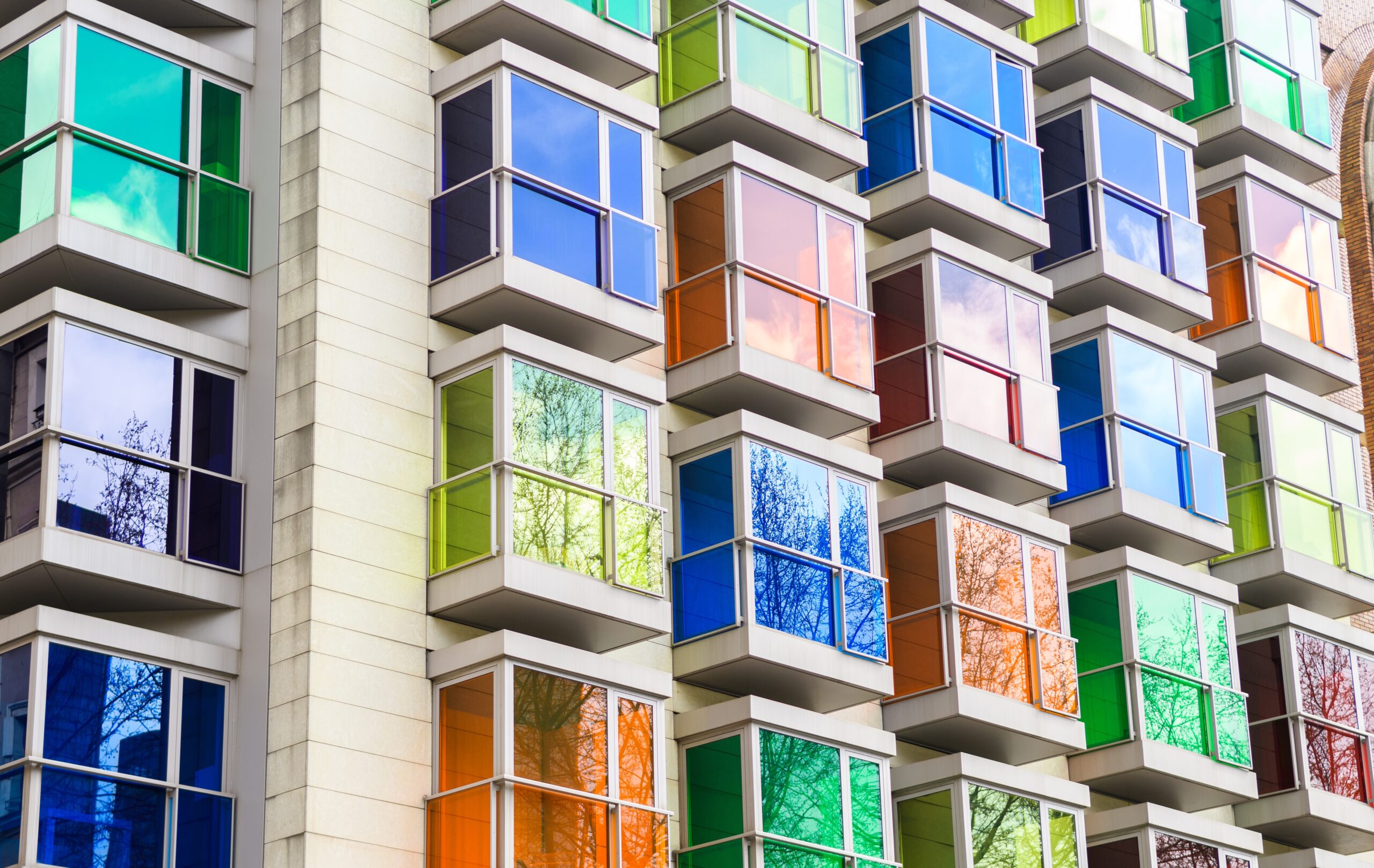



Buildings: Integrating Nature-based Solutions (NbI) in buildings enhances their functionality. Gardens, green walls, and roofs offer thermal regulation, reducing heating and cooling needs. Constructed wetlands aid in sanitation. An example is Incheon Airport, South Korea, where native foliage reduces air conditioning use and energy costs.
Retail: NbI in retail areas boosts customer footfall and sales. Urban forests increase consumer spending by about 10% in US inner-city business districts. Trees create positive consumer experiences, leading to higher spending. NbI influences customer behavior and loyalty, vital for revitalizing high street shops and local economies.
Manufacturing and Production: Constructed wetlands effectively treat industrial wastewater, including from dairy, meat processing, and textile industries. This NbI application enables water reuse for non-drinking purposes and provides on-site treatment. However, built infrastructure is still necessary for filtering toxic industrial discharges.
Culture and Recreation: NbI contributes significantly to culture and recreation, including nature reserves, parks, and heritage sites. UNESCO recognizes natural ecosystems like the Serengeti, Great Barrier Reef, and Sundarbans for their heritage value. NbI directly delivers services in this sector.
Health: NbI improves mental and physical health. Nature-based activities like gardening and walking groups aid in stress recovery and rehabilitation. Therapeutic gardens in hospitals reduce patient stress and recovery time. Nature’s benefits extend to heart rate, blood pressure regulation, obesity, diabetes management, and immune response enhancement.
Education: NbI fosters positive educational outcomes, enhancing creativity, attention, and cognitive development. Exposure to green spaces improves working memory, reduces inattentiveness, and aids behavioral development. Educational gardens offer interactive learning, especially beneficial for students with special needs.
Transport: NbI enhances transport infrastructure safety and efficiency. Tree-lined roads promote safer driving, and NbI aids in waterway maintenance and wastewater treatment in airports and railways.
Energy: NbI like green roofs enhance solar panel efficiency. It also prevents vegetation interference in energy transmission and reduces sedimentation in hydropower reservoirs, enhancing energy generation efficiency.
Water: NbI in the water sector reduces sedimentation in water supplies, stabilizing soils and preventing erosion. However, ecosystem degradation can diminish water sector functionality
Check the report here: bit.ly/3w3XIsi

Placemaking fosters community-driven transformation of public spaces, enhancing social, physical, and cultural value.
Barcelona Office
Antoni Bell 2, 4th Floor – C
Sant Cugat del Vallès 08174
+34 93 280 7084
Madrid Office
Alfonso XII 62, 2nd Floor
Madrid 28014
+34 91 048 8455
To stay up to date on the latest trends and key information in our sectors, follow us


Accessibility Tools