



Urban affordability is a growing crisis, with 1.8 billion people lacking adequate housing and more than 70% of the urban population in developing countries underserved by basic services. This collection explores key interventions to address these challenges by focusing on land use, sustainable communities, and inclusive design.
The first major issue is the lack of affordable housing. Informal settlements are expanding worldwide, pushing vulnerable populations into precarious living situations with inadequate access to essential services. To address this, cities like Lisbon have implemented multi-dimensional approaches. For instance, Lisbon launched a €800-million public investment plan to tackle housing shortages, while utilizing public land for affordable housing development.
Furthermore, cities must consider the integration of transportation and economic opportunities with housing planning. Transit-oriented developments, as seen in London and Miami-Dade, have proven effective in creating inclusive, affordable communities while improving mobility. This coordinated approach ensures that housing and transport systems work in tandem to improve access to jobs and services.
Sustainability is another critical aspect. Urban greening strategies, such as Melbourne’s Skyfarm, not only contribute to reducing greenhouse gas emissions but also enhance affordability by lowering energy costs and improving food security. Moreover, cities must leverage big data and inclusive design to address disparities, such as health inequities, ensuring that urban spaces cater to the needs of all residents.
In conclusion, affordable cities require a holistic approach that integrates housing, transportation, sustainability, and inclusivity. City leaders must act decisively to bridge the gap between economic growth and urban affordability.
Check the full report below: https://bit.ly/4eHu2CZ
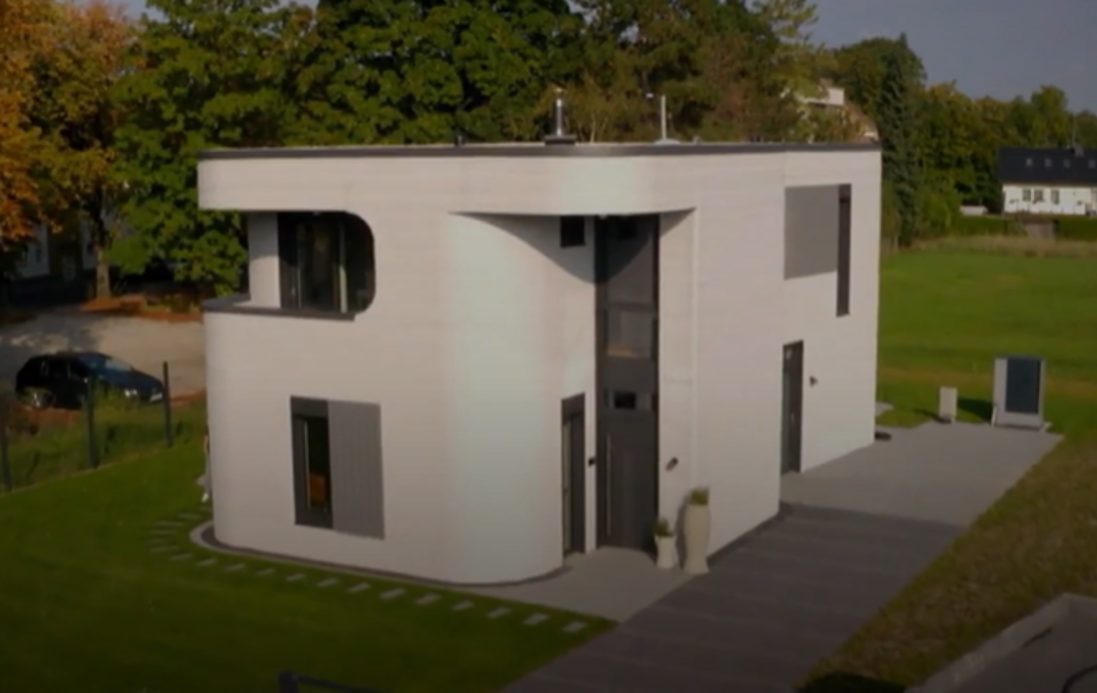
Germany’s first 3D printed house was built in just 100 hours, highlighting fast and sustainable construction.
Barcelona Office
Antoni Bell 2, 4th Floor – C
Sant Cugat del Vallès 08174
+34 93 280 7084
Madrid Office
Alfonso XII 62, 2nd Floor
Madrid 28014
+34 91 048 8455
To stay up to date on the latest trends and key information in our sectors, follow us


Accessibility Tools