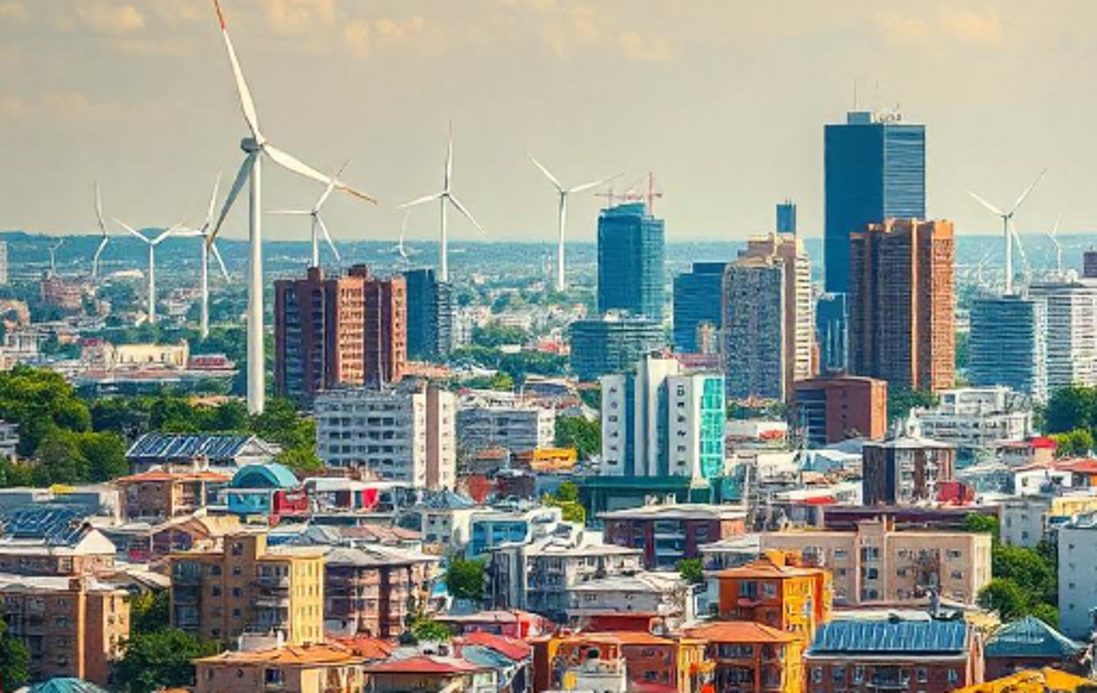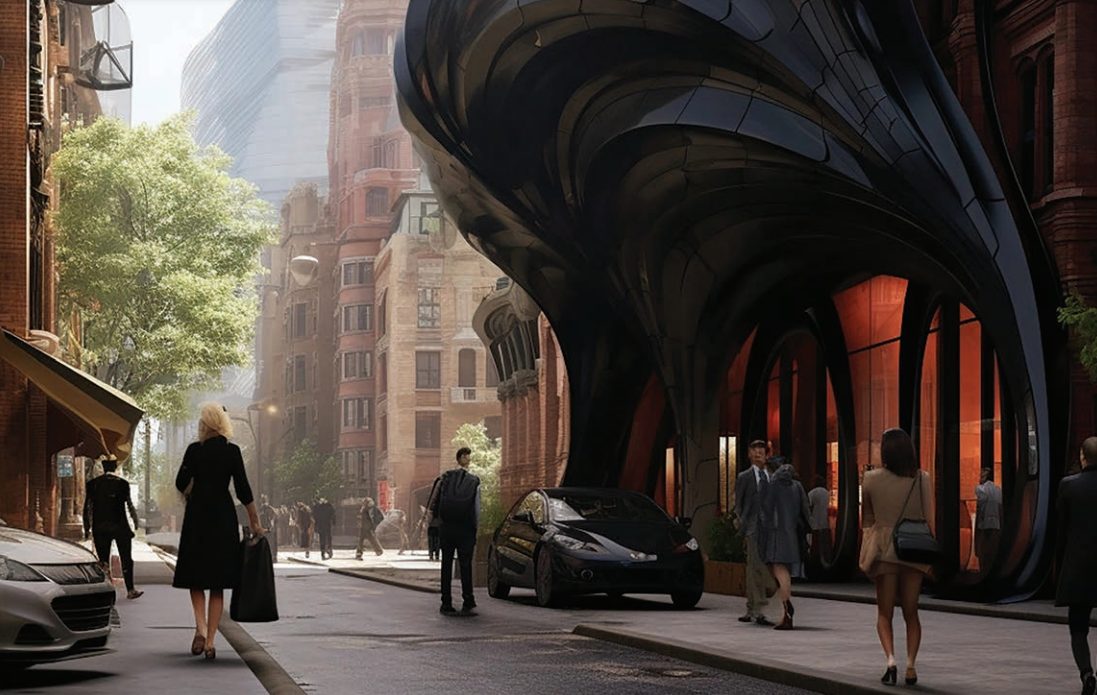



The global economy is transitioning towards sustainability, but the building sector, responsible for 33% of global emissions, has been slow to change. While many focus on energy efficiency for buildings after construction, it’s crucial to consider materials as well.
Laminated Timber (LT) is gaining attention as a sustainable, renewable, and cost-effective building material. Projects like the Ascent apartment block, the world’s tallest timber building, and Stockholm’s “Wood City” are leading the charge, showcasing the potential of timber. Bamboo is also emerging as a promising material, known for its fast growth and CO2 sequestration, earning it the nickname “green steel.”
Recycled materials are also making their mark. A Tiffany’s storefront in Singapore was built using ocean plastic, while Paris’s Olympic arenas feature seats made from recycled materials. For projects that require steel, architects are exploring hydrogen steel, which could decarbonize steel production by replacing coal with green hydrogen.
With rapid global growth, particularly in emerging markets, sustainable materials are essential for reducing emissions and waste in the construction industry. These innovations are helping decarbonize the built environment.
Check the video here: https://bit.ly/3UcmrEc

The World Economic Forum leads the Reskilling Revolution to reduce the skills gap in a world impacted by the technological advances. The initiative seeks to invest in education, skills and economic opportunities for an equitable and sustainable future workforce.
Barcelona Office
Antoni Bell 2, 4th Floor – C
Sant Cugat del Vallès 08174
+34 93 280 7084
Madrid Office
Alfonso XII 62, 2nd Floor
Madrid 28014
+34 91 048 8455
To stay up to date on the latest trends and key information in our sectors, follow us


Accessibility Tools