



Hilton has signed deals to open three new hotels in Saudi Arabia’s Al-Ahsa region, including two Curio Collection properties and a high-end LXR Hotels & Resorts agritourism resort. These new projects align with Saudi’s growing focus on tourism under its Vision 2030 plan. The LXR resort will be a luxurious agritourism property, offering experiences tied to local farming through a partnership with the new Saudi farming tourism organization, Dan Company. The resort will feature a garden, an amphitheater, retail and dining options, a farmers’ market, and local agricultural vendors.
Al-Ahsa, one of the country’s largest agricultural hubs and home to the world’s largest date farms, is set to become a key destination for tourism. The new development is part of Saudi Arabia’s push to diversify its economy and attract intrepid travelers interested in traditional farming experiences. Dan Company’s project covers 1.8 million square meters and is expected to contribute $1.6 billion to the country’s non-oil GDP by 2030.
Hilton’s CEO Chris Nassetta emphasized the company’s plans to significantly increase its footprint in Saudi Arabia, with more than 60 new Hilton hotels expected to open in the coming years. The LXR brand, known for its exclusive locations like private islands in the Seychelles and the Biltmore Mayfair in London, is Hilton’s most luxurious and high-priced offering, with average rates of $519 per night. The Curio Collection properties, which focus on eco and adventure tourism, have more moderate rates, averaging $229 per night.
No specific opening dates for these hotels have been announced, but the resorts will be easily accessible from key cities like Riyadh, Dammam, and Bahrain, targeting inter-regional tourists in the Gulf.
Read the full article here: https://bit.ly/3zPSjrn
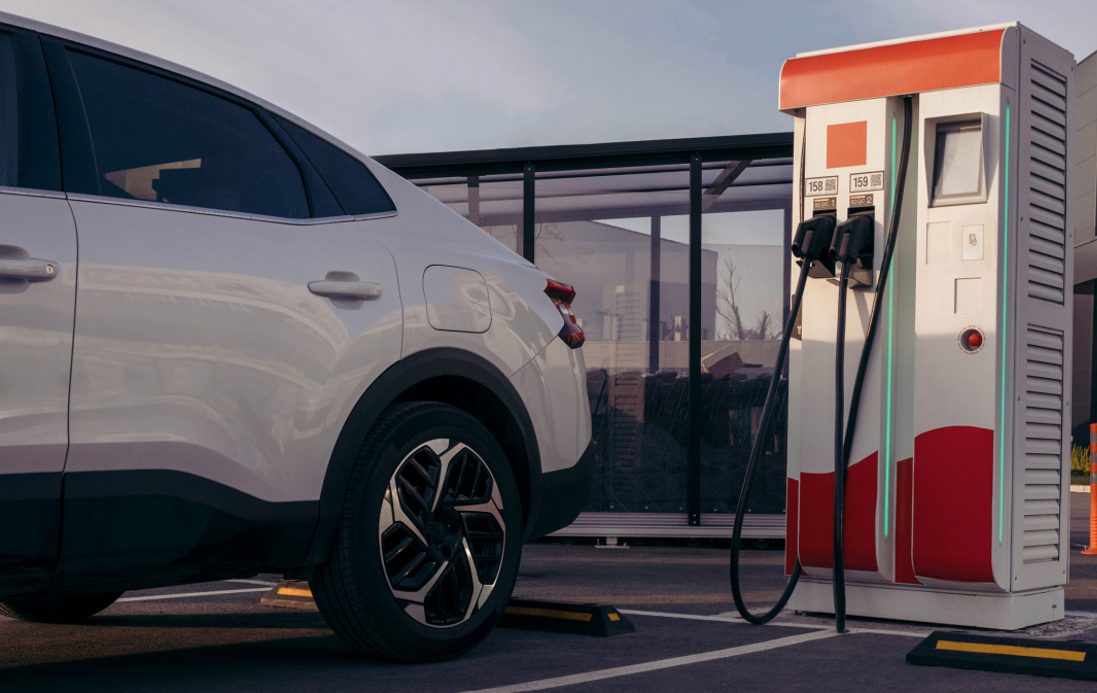
City governments can accelerate EV adoption by fostering private-sector investment, prioritizing grid upgrades, standardization, and strategic planning for accessible, reliable, and sustainable charging infrastructure.
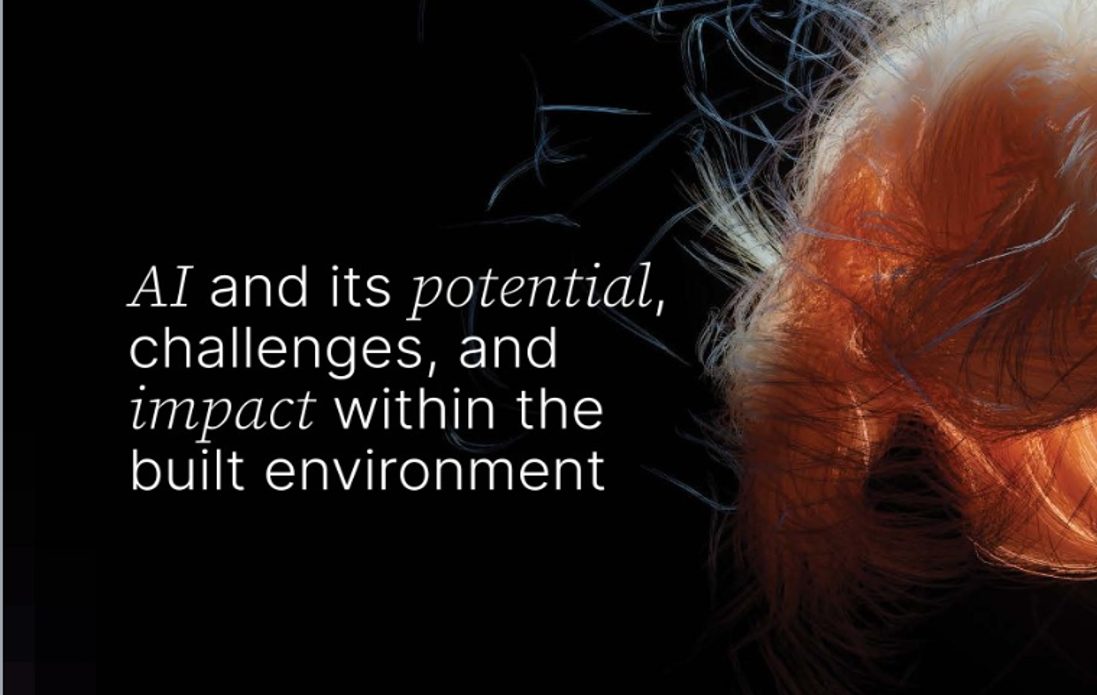
AI’s transformative power in the built environment advances the green transition, emphasizing design, optimization, maintenance, education, upskilling, governance, and sustainability for a holistic future.
Barcelona Office
Antoni Bell 2, 4th Floor – C
Sant Cugat del Vallès 08174
+34 93 280 7084
Madrid Office
Alfonso XII 62, 2nd Floor
Madrid 28014
+34 91 048 8455
To stay up to date on the latest trends and key information in our sectors, follow us


Accessibility Tools