



#Innovation
The Orange Economy refers to the ecosystem of cultural and creative industries powered by innovation, intellectual property, and human talent. It includes sectors such as advertising, design, music, film, software, fashion, and architecture—activities where the primary value is symbolic rather than functional. Today, this economy generates more than $4.3 trillion globally and would rank as the fourth-largest economy in the world if treated as a single entity.
Beyond its monetary scale, the Orange Economy contributes to more than 6% of the world’s GDP and creates employment for millions. Industries based on creativity have shown strong resilience in the face of economic crises. For instance, exports of creative goods and services have grown consistently faster than traditional commodities like oil or agriculture. Creative services, in particular, have surged thanks to the rise of digital platforms and a globally connected market.
The digital era has amplified the reach and scalability of creative enterprises. Video games, streaming content, apps, and digital art have become major drivers of economic growth. Moreover, technology enhances the cultural value chain—facilitating production, distribution, and monetization at a global scale. Innovation no longer belongs exclusively to industrial labs but thrives in artistic studios, creative hubs, and virtual platforms.
Latin America and the Caribbean are especially well-positioned to lead in this space. With more than 100 million young people and rich cultural diversity, the region holds enormous untapped potential. Investments in education, intellectual property systems, and cultural entrepreneurship can turn cities into “kreatopolis”: urban centers where mindfactures—products based on ideas and meaning—drive inclusive growth and global relevance.
Cultural industries not only generate economic wealth but also contribute to social cohesion, identity, and quality of life. Creative expression strengthens democratic participation, preserves heritage, and empowers communities. Cities that invest in their cultural ecosystem are more competitive, sustainable, and resilient in the long run. Public policy must therefore embrace creativity not just as entertainment, but as serious economic strategy.
Check the full report below: https://bit.ly/4lbhIh6
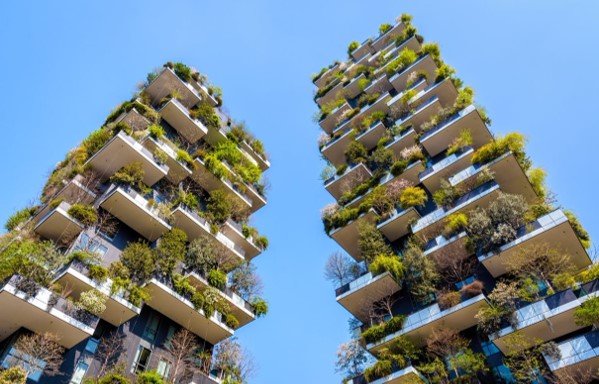
Nature-based Solutions (NbI) enhance functionality and sustainability across sectors, from buildings and health to education and energy, fostering a resilient and interconnected world.
Barcelona Office
Antoni Bell 2, 4th Floor – C
Sant Cugat del Vallès 08174
+34 93 280 7084
Madrid Office
Alfonso XII 62, 2nd Floor
Madrid 28014
+34 91 048 8455
To stay up to date on the latest trends and key information in our sectors, follow us


Accessibility Tools